
Common Backyard Renovation Mistakes Homeowners Should Avoid
Are you planning a backyard renovation and hoping to avoid expensive mistakes? A well-designed outdoor space can improve your home's curb appeal, increase property value, and create a more enjoyable place for family and friends. Many homeowners rush into projects without proper planning, leading to unnecessary costs, delays, and disappointing results. Learning about the most common renovation mistakes can help you build a backyard that looks great and performs well for years.
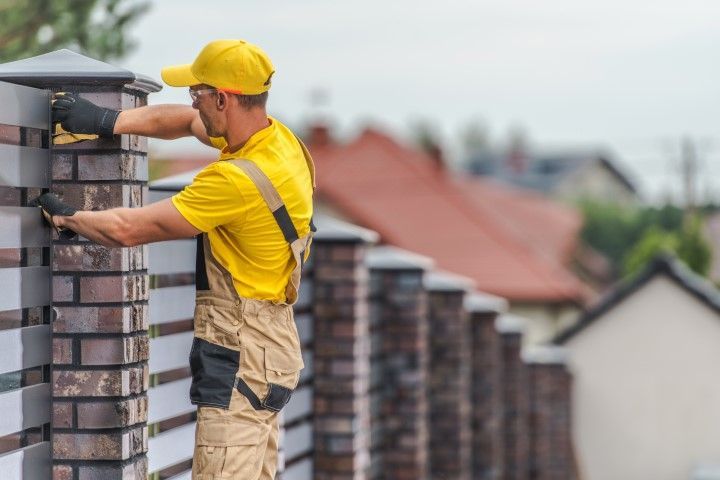
1. Starting Without a Complete Plan
A successful renovation begins with a clear vision. Purchasing materials or hiring contractors before creating a detailed plan often results in design changes and added expenses.
Before starting your project:
- Set a realistic budget.
- Plan the layout carefully.
- Consider drainage and sunlight.
- Leave room for future outdoor features.
- Choose materials that match your home's style.
Taking time to plan every detail helps prevent costly surprises.
2. Ignoring Proper Drainage
Poor drainage is one of the most common causes of backyard problems. Standing water can damage patios, lawns, plants, and even your home's foundation.
Proper grading and drainage systems allow rainwater to flow away from structures while protecting your landscaping investment.
3. Choosing Materials Based Only on Price
Low-cost materials may seem like a smart way to save money, but they often wear out faster and require more maintenance.
Quality pavers, retaining wall blocks, and landscaping materials typically provide better durability and long-term value.
4. Hiring a Contractor Without Research
Not every contractor delivers the same level of workmanship. Selecting a company based only on the lowest quote can lead to poor installation and additional repair costs.
Before hiring a contractor:
- Read customer reviews.
- Verify licensing and insurance.
- Request references.
- Compare detailed estimates.
- Review previous projects.
Working with an experienced Paver Contractor helps ensure patios, walkways, and driveways are installed correctly from the beginning.
5. Focusing Only on Appearance
A beautiful backyard should also be functional. Think about how your family plans to use the space throughout the year.
Consider adding:
- Comfortable seating areas
- Safe walkways
- Outdoor lighting
- Shade structures
- Open play spaces
Balancing beauty and usability creates a backyard that everyone can enjoy.
6. Skipping Proper Base Preparation
Patios and walkways require a stable foundation beneath the surface. An improperly prepared base often causes shifting, uneven pavers, and drainage problems.
Professional installation includes proper excavation, grading, compacting, and base materials that support long-lasting performance.
7. Forgetting About Landscaping
Hardscapes alone can make a backyard feel incomplete. Trees, shrubs, flowers, mulch, and lawn areas soften the overall design and create a more inviting outdoor environment.
Combining landscaping with patios and walkways creates a balanced outdoor living space.
8. Underestimating Future Maintenance
Some backyard features require more upkeep than expected.
Before selecting materials, think about:
- Lawn maintenance
- Weed control
- Irrigation
- Seasonal cleanup
- Long-term repairs
Choosing low-maintenance options can reduce future expenses and save time.
9. Overlooking Local Building Requirements
Many outdoor improvement projects must comply with local building codes or permit requirements.
Projects that commonly require approval include:
- Fences
- Retaining walls
- Patios
- Drainage systems
- Large hardscape installations
Checking local regulations before construction begins helps prevent delays and costly corrections.
10. Trying to Complete Everything Yourself
DIY projects can be rewarding, but large backyard renovations often require specialized equipment and technical knowledge. Mistakes made during installation can become expensive to repair later.
Professional contractors can complete projects efficiently while helping ensure lasting results.
FAQ's
Paver Installation Timeline: How Long Does It Take?
Most residential paver installations take between two and seven days. The timeline depends on the project size, site preparation, weather conditions, and design complexity.
How to Choose a Paving Contractor
Look for a contractor with experience, strong customer reviews, proper licensing, insurance, and a portfolio of completed projects. Ask for a written estimate and learn about available warranties before making a decision.
What Questions Should I Ask a Patio Contractor?
Before hiring a patio contractor, ask these questions:
- How many similar projects have you completed?
- Are you licensed and insured?
- What materials do you recommend?
- How long will the installation take?
- Do you offer a workmanship warranty?
- How will drainage be managed during the project?
A backyard renovation is a valuable investment when it's planned carefully and completed with quality workmanship. Avoiding common mistakes like poor planning, inadequate drainage, and improper installation can help you enjoy a beautiful, functional outdoor space for many years. Partnering with experienced professionals and choosing durable materials can make your renovation smoother, protect your investment, and deliver results that add lasting value to your home.